About Cubey

Following the
next idea.

Cubey is my graphics and simulation workshop, and the engine behind it. I build the tools to explore an idea, then let what I learn shape the engine.

See what I have been making ↗
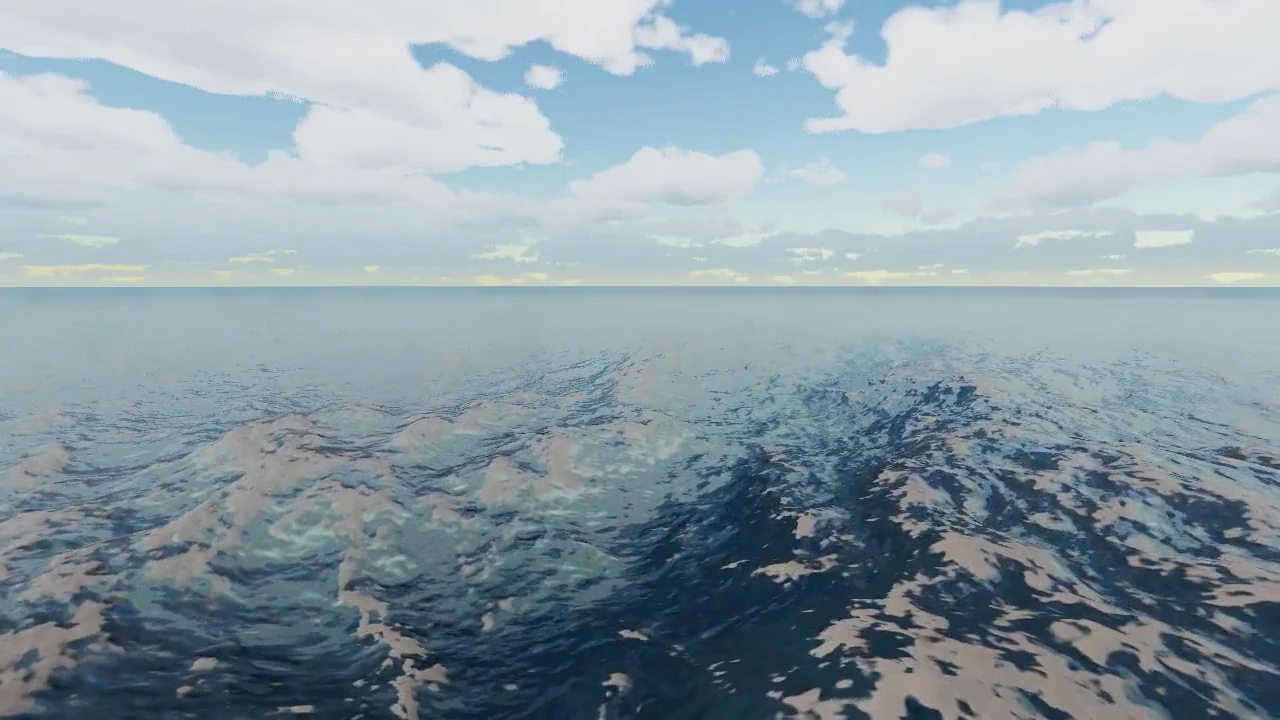
Ocean waves
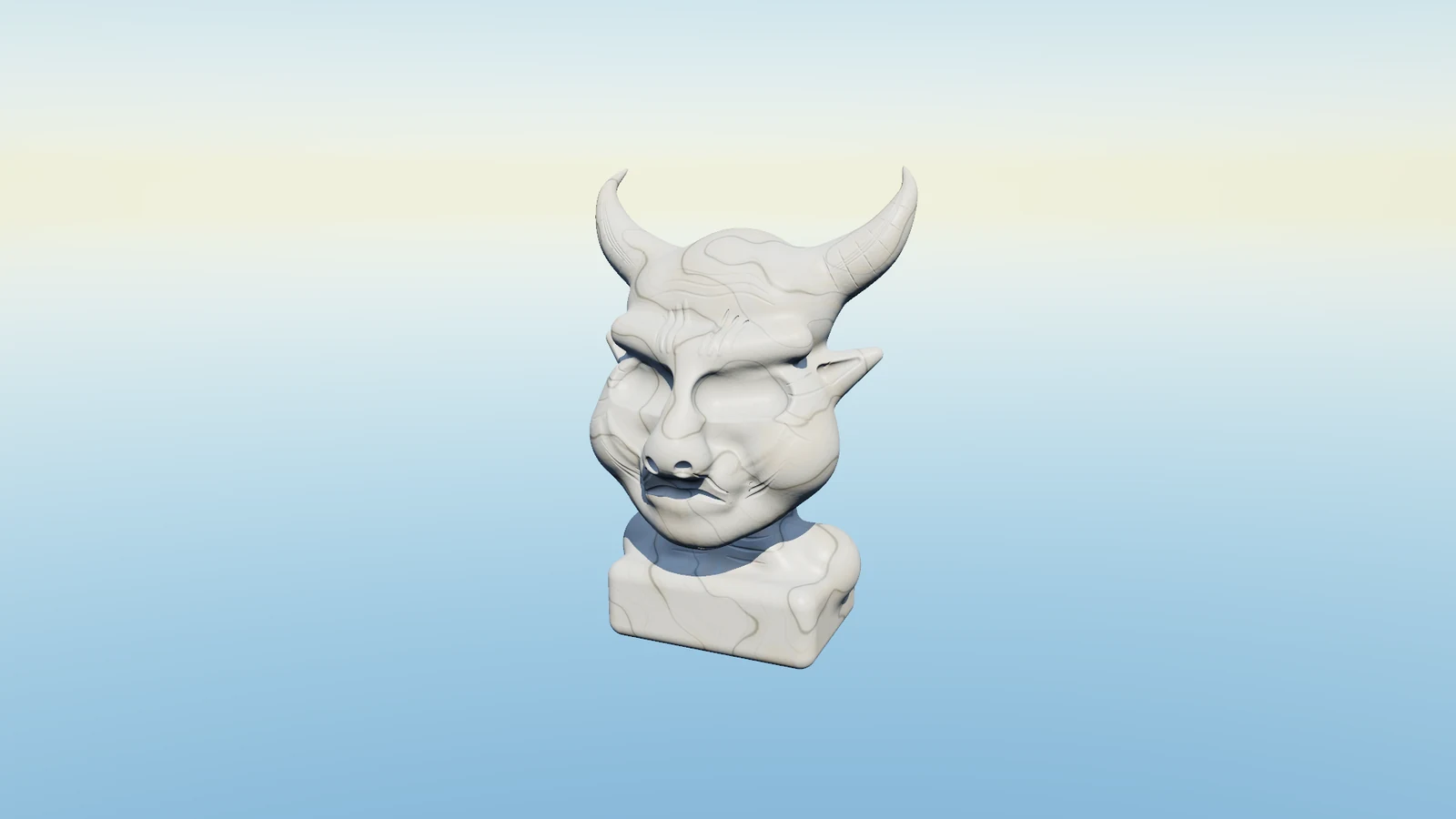
The authored Guardian sculpture
Ocean and Guardian · two corners of the workshop.
Where it started

Learning by
building.

The first Cubey grew out of learning C++ and OpenGL more than a decade ago. Building a small engine gave me somewhere to try graphics and simulation ideas. Each experiment revealed something else the engine needed, and improving it made the next experiment possible.

Today's Cubey is a new project in that same spirit. The experiments and the engine still grow together.

Fluid simulation

An early fluid simulation and volume-rendering experiment using OpenGL compute shaders.

Watch on YouTube ↗

GPU particles

A particle experiment running on the GPU, built with the same small OpenGL engine.

Watch on YouTube ↗

Original Cubey recordings by Bryan Bai · uploaded to YouTube in 2018.

Starting again

New tools.
Familiar questions.

I came back to Cubey with a decade of software engineering behind me, including more than five years in graphics. The field had moved on, and so had my experience. This time the engine uses Vulkan, with a much broader foundation to build on.

What surprised me was how much still felt worth exploring. Fluid simulation and signed distance fields could hold my attention all over again. More experience brought new questions to those subjects; better tools made room to follow them further.

The engine grows with the experiments.

A useful result can change what becomes possible elsewhere.

Water experiments meet terrain.

The 2.5D fluid work fed into the terrain-water experience. Shared terrain rendering carries useful changes between the projects.

The featured Terrain Water film replays recorded SynxFlow fields. The builtin shallow-water study remains a separate demo.

How I work

Exploring further
with Codex.

Working with Codex makes it practical to explore more approaches and refine them further. We build the shared engine alongside the experiments it supports. I choose the questions and direction, and review what we build.

The subjects still follow my interests. A familiar fluid experiment can branch into several solvers; a terrain idea can turn into a long investigation. Connections often emerge along the way.

I want to understand established techniques well enough to put them to work. That takes comparisons, checks and revisions. Sometimes an approach needs rebuilding; sometimes I leave it behind. What I follow next is still open.

Explore the demos ↗
Look closer.

The source, build guides and technical notes live alongside the experiments. The original OpenGL project is preserved on the legacy branch.